From Design Concepts to Implementation: The Path of an Interior Designer
A path of an interior designer is a fascinating blend of creativity, functionality, and sensitivity to emotions. Starting with the initial spark of creative idea to the final touches that transform a space to life, each step is essential in turning a concept into a beautifully designed space. Interior designers play a critical role in enhancing not just aesthetics but also in designing cozy environments that foster comfort and functionality. They confront the distinct challenge of optimizing style and efficiency, particularly in small spaces, while also being sensitive to the emotions stirred by color selections and the power of natural light.
As trends progress, interior designers constantly adapt their methods, embracing modern ideas, eco-friendly practices, and creative designs that cater to varied needs. Whether they are creating a tranquil home office that boosts productivity or designing a bathroom retreat that offers relaxation, the focus remains on enhancing the quality of life within a place. This article explores the multifaceted journey of interior designers, delving into their strategies for creating inviting living rooms, kid-friendly interiors, and more, while also considering the significance of accessibility and budget-friendly transformations. Come with us as we reveal the steps taken by interior designers to craft environments that showcase individuality and balance.
Warm Spaces and Coziness
Establishing welcoming areas is important in interior design, as cocooning significantly affects how people experience in their surroundings. A well-designed area invites rest and comfort, making it the optimal sanctuary from the noise of routine. To achieve this, it is crucial to focus on elements like soft textiles, inviting palettes, and sufficient lighting. Cushiony pillows, warm blankets, and floor mats can quickly alter a space, making it feel more welcoming.
Adding personal touches is yet another way to elevate coziness. Family photos, cherished mementos, and distinctive decor add warmth and authenticity to any space. These thoughtful details allow individuals to reflect their personality and foster a feeling of belonging. Additionally, adding elements that support comfort, such as a well-placed reading nook or a comfortable chair by a window, can encourage relaxation in one's home.
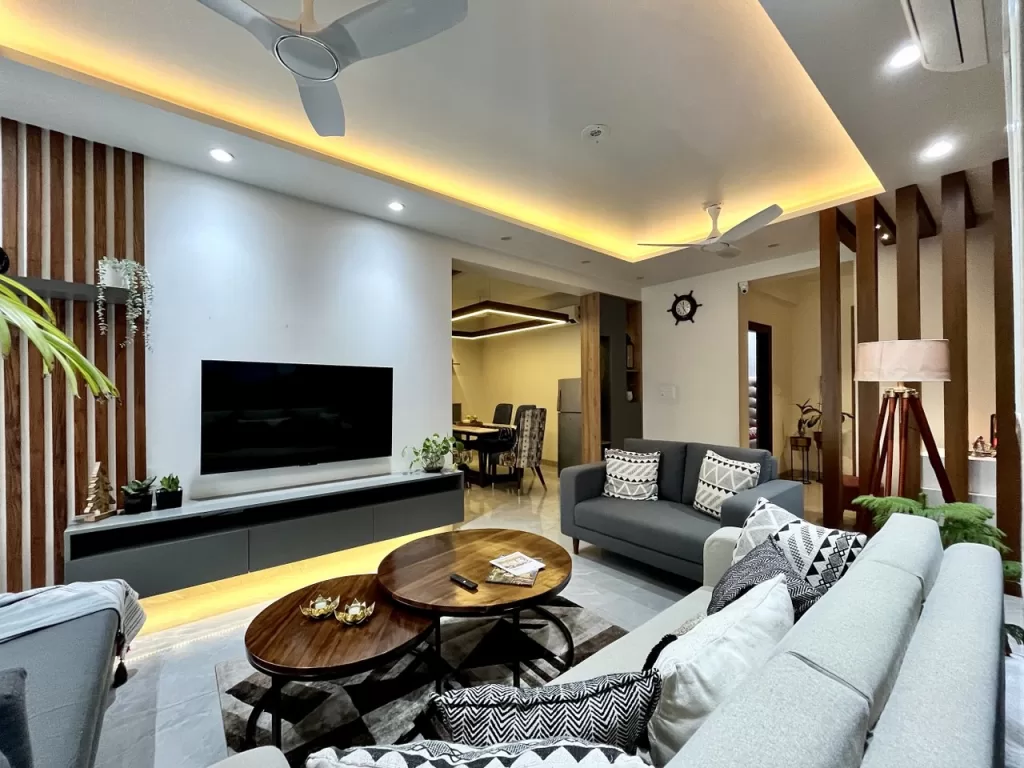
Lastly, the incorporation of organic elements additionally enhances to the sense of comfort. Wooden furnishings, braided baskets, and stone details bring an natural touch that encourages a bond with the outdoors. By thoughtfully curating South Florida Interior Designer and ornaments, interior designers can craft settings that inspire emotions of comfort and peace, ultimately enhancing the standard of life for those who reside in them.
Boosting Usability in Small Areas
When managing restricted space, the key is to focus on efficiency and maintaining aesthetic. Clever organization solutions can revolutionize how a compact area is utilized, causing it seem more open and tidy. Flexible furniture, such as storage ottomans with hidden spaces, expandable tables, and Murphy beds, can provide multiple purposes, reducing mess while providing necessary features. Additionally, utilizing vertical space with storage shelves and mounted items can help liberating floor room, giving the sense of a more spacious area.
An additional essential factor of small space design is the configuration. A thoughtful furniture layout can enhance accessibility and operability. Reflect on the movement patterns of the users and ensure that the environment is welcoming and easy to move through. Using area carpets can define different sections within a compact room, making it feel multi-dimensional. In addition, keeping pathways clear enhances efficiency, allowing each area to accommodate its role without hindrance.
Ultimately, incorporating intelligent design elements can boost both utility and style in compact areas. Opting for https://allred-fowler-3.federatedjournals.com/maximizing-compact-areas-interior-decorating-solutions can create a feeling of unity, making the area look larger. Reflective surfaces can reflect light and aesthetically expand the room, adding dimension. Thoughtfully designed curtains can provide protection without losing natural light. By combining style with efficiency, compact spaces can be converted into inviting and effective havens tailored to the users' needs.
The Role of Color and Light in Design
Light and color serve a vital role in interior design, greatly influencing the feel and environment of a space. The psychology of color suggests that different shades can bring about particular feelings, making it vital for designers to choose colors that align with the goal of each room. For example’s sake, soft blues and soft greens can create a calming effect, perfect for sleeping areas and washrooms, while bold red and yellow may be more suitable for lively areas like cooking spaces and eating spaces. Recognizing these nuances allows designers to craft environments that resonate with their clients on an emotional level.
Daylight is another crucial element in the design of interiors. Large panes and spacious layouts can boost the movement of light, making a space feel comfortable and spacious. Utilizing daylight not just accentuates colors and showcases architectural features and fixtures. Designers often take into account the direction of the light source and the placement of buildings to maximize natural light, creating a harmonious relationship between indoor and outdoor areas. The careful use of reflective surfaces and light colors can additionally bounce back and amplify the available light, ultimately transforming the ambiance.
Moreover, artificial lighting is an integral part of interior design, providing practicality and visual interest. Strategically placed light sources can produce levels of light, enhancing textures and colors throughout a space. Interior designers often incorporate different types of illumination—overall, task, and highlighting—to realize a versatile and well-rounded illumination scheme. By carefully combining both man-made and natural light sources, designers can craft environments that are both aesthetically pleasing but also comfortable and conducive to various activities.