Mixing Designs: Ways to Fuse Contemporary and Traditional Interior Design
Interior design is a form of art that celebrates the elegance of blending various styles to create distinctive and inviting spaces. The interaction between contemporary and classic features can result in a home that feels both timeless and fresh, permitting for a rich tapestry of textures, colors, and feelings. As https://blogfreely.net/casavalasquezinterior5/combining-utility-alongside-aesthetics-a-function-of-interior-designers strive to inject their individual style into their homes, comprehending how to harmonize these divergent elements becomes crucial.
Crafting cozy areas that embody comfort and utility is at the core of effective interior design. Whether optimizing a small space with smart layout strategies or utilizing the potential of natural light to improve the ambiance of a room, each decision plays a role in crafting an inviting atmosphere. As trends develop, the difficulty lies in integrating contemporary design concepts with classic touches, ensuring that every area of the home—from the living room to the sleeping area—embodies warmth and sophistication while also resonating with the characters of those who live within.
Optimizing Utility and Style in Compact Environments
While arranging limited areas, the main focus is to find a equilibrium between utility and style. Each piece of furnishing should have a role and also enhance the complete aesthetic of the room. Think about using dual-purpose furniture, such as a bed sofa or an ottoman that stores, which can save space without sacrificing design. This approach allows you to preserve an appealing atmosphere while efficiently utilizing every square foot.
Color and light play crucial roles in maximizing the perceived space in small spaces. Bright colors can make a room feel larger and more airy, whereas strategic use of reflective surfaces can multiply light and create an illusion of expansiveness. Additionally, maximizing natural light through drapes can brighten the area, bringing warmth and making it feel more inviting. Opting for a consistent color palette also helps create a notion of flow, further opening up the area visually.
In conclusion, thoughtful layout and organization are critical in limited areas. Prevent mess by selecting furniture that suits well within the area and matches one another. Make use of vertical space for organizing to keep surfaces clear, fostering a clean and spacious feel. Including decorative elements, such as foliage or art, can add personality while avoiding overwhelming the space, making it both functional and aesthetic and reflecting your personal preferences.
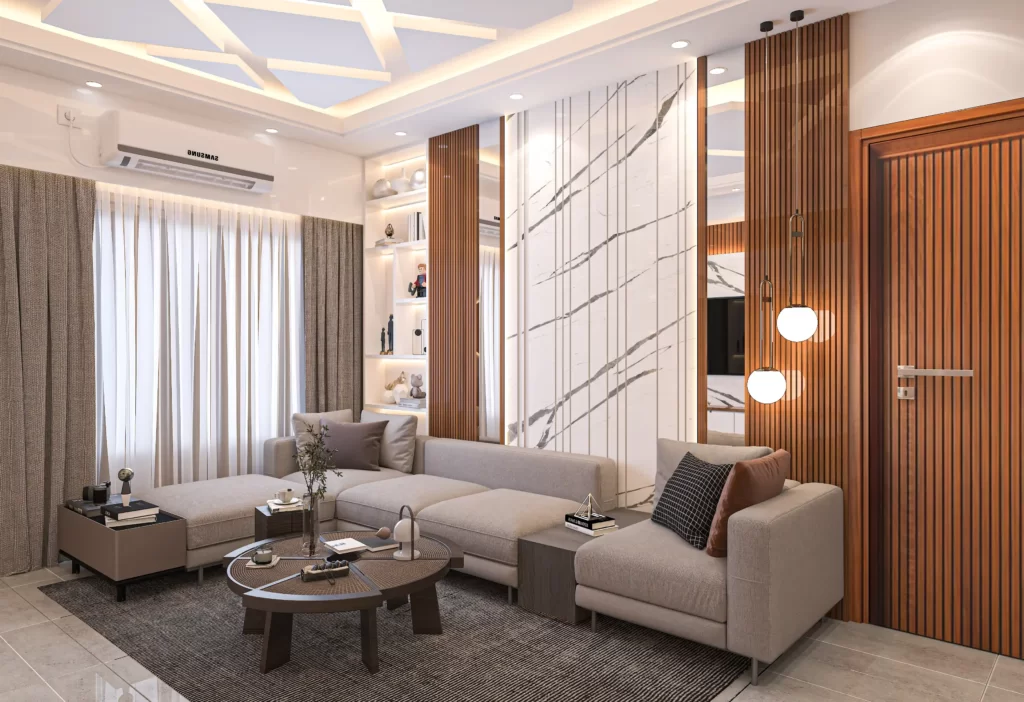
Utilizing Color Psychology for Comfort
Color has a significant impact on our feelings and well-being, making it an important element in space planning, especially when looking to create comfortable environments. Warm colors like crimson, tangerines, and mustards evoke emotions of heat and comfort, making them ideal for rooms where chill and interaction occur, such as sitting areas and dining areas. These tones can stimulate conversations and promote meetings, creating a welcoming environment. On the other hand, colder colors such as blues and greens can create a sense of serenity and relaxation, perfect for sleeping quarters and spas where relaxation is paramount.
Integrating color science into your decor involves not just the decision of colors, but also how they are applied in collaboration with illumination and area. Natural light can amplify the liveliness of lively colors, making a setting feel more dynamic and welcoming, while ambient lighting can muted strong colors, creating an cozy atmosphere. Understanding Luxury Interior Designers South Florida of color intensity and vividness helps to create the intended mood; softer hues tend to be more calming, while bolder tones can revitalize a setting. This balance is crucial for designing areas that foster emotional health.
When blending updated and timeless styles, it is important to consider how hue contributes to this balance. A neutral color palette can serve as a foundation for both modern and old-world elements, allowing each style to stand out without overwhelming the area. Adding highlight colors through decor pieces, such as pillows or paintings, can bring character without clashing with the overall look. By intentionally applying color theory, you can create spaces that not only appear beautiful but also seem welcoming, perfectly merging contemporary aesthetics with traditional appeal.
Establishing Inviting Areas with Ambient Light
Ambient light holds a vital role in elevating the entire ambiance of a space. By thoughtfully arranging windows and leveraging reflective surfaces, interior designers can design areas that feel brighter and more open. Generous windows and opening glass doors not just allow an abundance of light to stream in, but they also forge a seamless connection between interior and exterior environments. This bond fosters a sense of calm and warmth, inviting people to convene and savor their surroundings.
In addition to design considerations, the use of light-colored materials can further enhance the effects of daylight light. Walls finished in soft, neutral tones can bounce sunlight, making spaces feel open and friendly. Incorporating mirrors and glossy finishes can additionally help bounce light around the room, enhancing its vibrancy. When blending modern and classic elements, a harmony can be struck where traditional furniture pieces are combined with current, light-enhancing details, establishing a chic yet inviting area.
Finally, the layout of furnishings can enhance how natural light connects with the area. Arranging seating areas to face windows encourages dialogue and ease while taking full benefit of the sunlight. Using sheer window treatments provides for privacy without losing the inflow of light, augmented the cozy atmosphere. By deliberately evaluating daylight light, designers can craft appealing areas that promote coziness and community in any home.