Starting from Notion towards Existence: The Design Procedure Explained
Interior design is more than just about arranging furniture and selecting paint colors; it is a detailed process that turns ideas into inviting, functional spaces. From the moment a concept is born to its realization in a beautifully designed room, every step requires careful consideration and creativity. Whether you are seeking to create cozy spaces for comfort, optimize usability in a small space, or harness the power of natural light, the adventure of interior design can change your environment and enhance your everyday life.
In this piece, we will explore various facets of the interior designing process, focusing on modern trends and timeless principles that contribute to beautiful, livable spaces. We will delve into topics such as color psychology and its impact on emotion, sustainable choices for eco-friendly living, and the importance of lighting design in creating ambiance. Additionally, we will discuss practical tips for specific areas of the home, including how to design a productive home office and create spa-like retreats in bathrooms. Join us as we unravel the complexities of interior design and discover how to turn your design dreams into a stunning reality.
Creating for Comfort
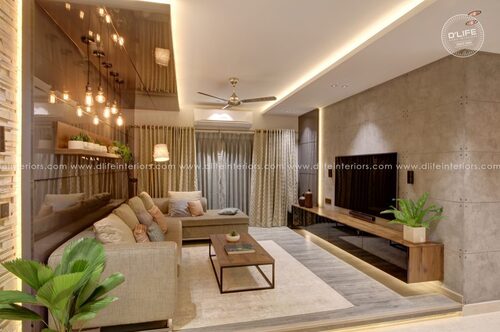
Establishing cozy areas is important in interior design, as a sense of comfort enhances the overall experience of a home. To realize this, it is necessary to pick furniture that provides both functionality and comfort. Sofas with gentle fabrics and supportive cushions, paired with cozy throws and luxurious pillows, can transform a living area into a sanctuary. Additionally, choosing the right scale of furniture ensures that the space remains uncluttered and welcoming, allowing for easy movement and interaction among family and loved ones.
Color psychology plays a key role in creating the mood of a cozy space. Warm, warm colors like beige, soft grey, and pastels evoke a sense of calmness and warmth, making them perfect choices for bedrooms and common areas. Incorporating accent colors can introduce personality while preserving a cozy ambiance. Understanding how various shades influence feelings helps designers make thoughtful decisions when creating an environment that promotes calm and comfort.
Natural light is another essential component in designing for comfort. Maximizing daylight enhances the mood and makes spaces feel more open. Designers can achieve this through the thoughtful placement of mirrors, light window treatments, and well-placed windows to invite the outdoors in. Additionally, combining various light sources, such as general, focused, and accent lighting, can create a warm and inviting atmosphere that adjusts to varied activities and times of day, ultimately enriching the comfort of the space.
Improving Usability
When it comes to interior design, maximizing efficiency is important, especially in smaller spaces where every inch of space counts. Clever layout designs can help create a more spacious and inviting atmosphere. Incorporating multifunctional furniture, such as sofas that transform into beds or coffee tables with built-in storage, allows occupants to maximize their space more effectively. Additionally, creating specific zones for various purposes, like reading, working, or entertaining, can enhance the usability of a room while maintaining an aesthetically pleasing look.
Organizational options play a key role in efficiency. Built-in shelving, under-bed storage, and wall-mounted units can help keep clutter at bay, making the space feel more expansive and more organized. It's important to choose furniture that not only fits the aesthetic of the home but also meets the practical needs of its residents. Custom solutions, tailored to individual spaces, can significantly enhance both functionality and design, ensuring that the home works harmoniously for day-to-day living.
Lighting also contributes to maximizing functionality. Well-placed lighting can define areas and elevate the mood, serving both practical and decorative purposes. South Florida Interior Designer of ambient, task, and accent lighting helps to ensure that every area is well-lit and welcoming while also allowing for varied functions. By thoughtfully selecting lighting fixtures and placements, interior designers can create spaces that are not only aesthetically pleasing but highly functional for their users.
Embracing Sustainable Options
In the last decade, sustainable interior design has captured significant traction as more inhabitants and designers realize the value of sustainable choices. This strategy emphasizes using resources and techniques that reduce ecological footprint while encouraging a wholesome indoor atmosphere. From upcycled wood furnishings to low-VOC paint, adopting sustainability can elevate the visual charm of a space while advancing a greater purpose—protecting our planet.
A vital aspect of eco-friendly design is grasping the source and lifecycle of resources. Designers are progressively choosing furniture and decor that are made responsibly, ensuring that they are not only attractive but also thoughtfully produced. This includes choices made from regenerative resources, as well as endorsing local artisans and businesses. Additionally, integrating energy-efficient lighting and appliances can substantially reduce the carbon footprint of any room.
In addition, sustainable interior design often encourages the blend of organic components into interiors, which can enhance both visual appeal and health. Nature-integrated design, which centers around connecting indoor environments with natural elements, advances not only sustainable practices but also improves the well-being for residents. By adding plants, maximizing natural light, and utilizing materials that resemble organic shapes, designers create spaces that are not only inviting but also environmentally conscious, making homes more welcoming and responsible.