The remarkable Influence of Shade in Interior Space Decoration
Hue plays a crucial role in interior design, influencing not only the visual appeal of a space but also the emotions and atmospheres of those who inhabit it. As we investigate the connection between color and interior design, we discover how the appropriate hues can create inviting spaces, optimize functionality in limited areas, and evoke the intended feelings in each room. Whether you are aiming for a calm bedroom, a vibrant living room, or a productive home office, understanding the influence of color is essential to crafting an environment that resonates with your personal style and enhances your daily life.
In today's ever-evolving world of interior design, trends continue to change towards creating spaces that are as functional as they are aesthetic. From South Florida Interior Design , which embraces simplicity and clean lines, to the biophilic design that brings the beauty of nature inside, the decisions we make in color and decor can significantly impact our environment. Eco-friendly practices are becoming increasingly significant, encouraging sustainable choices that not only look great but also benefit the planet. As we delve into modern design concepts, let’s discover how color can masterfully enhance various aspects of your home, transforming ordinary spaces into extraordinary ones.
Shade Psychology in Interior Aesthetics
Color holds a important part in defining the environment of a area and influencing our moods. When creating environments, it is crucial to take into account how various shades can inspire particular feelings and create intended results. For instance, warm tones like crimson, amber, and yellow can foster energy and zeal, making them perfect for communal areas like lounges and eating spaces. On the other hand, cool hues such as blue and emerald are often associated with tranquility and soothing, perfect for bedrooms and peaceful getaways.
Understanding the effect of color allows decorators to design spaces that address the requirements of the users. By carefully picking a color palette, designers can construct environments that improve productivity in study areas or foster a peaceful atmosphere in restrooms and retreats. For instance, including green tones and neutral shades can foster a presence of balance to a space, leading to holistic health. Moreover, when colors are mixed intentionally, they can promote a harmonious aesthetic that resonates with the desired atmosphere.
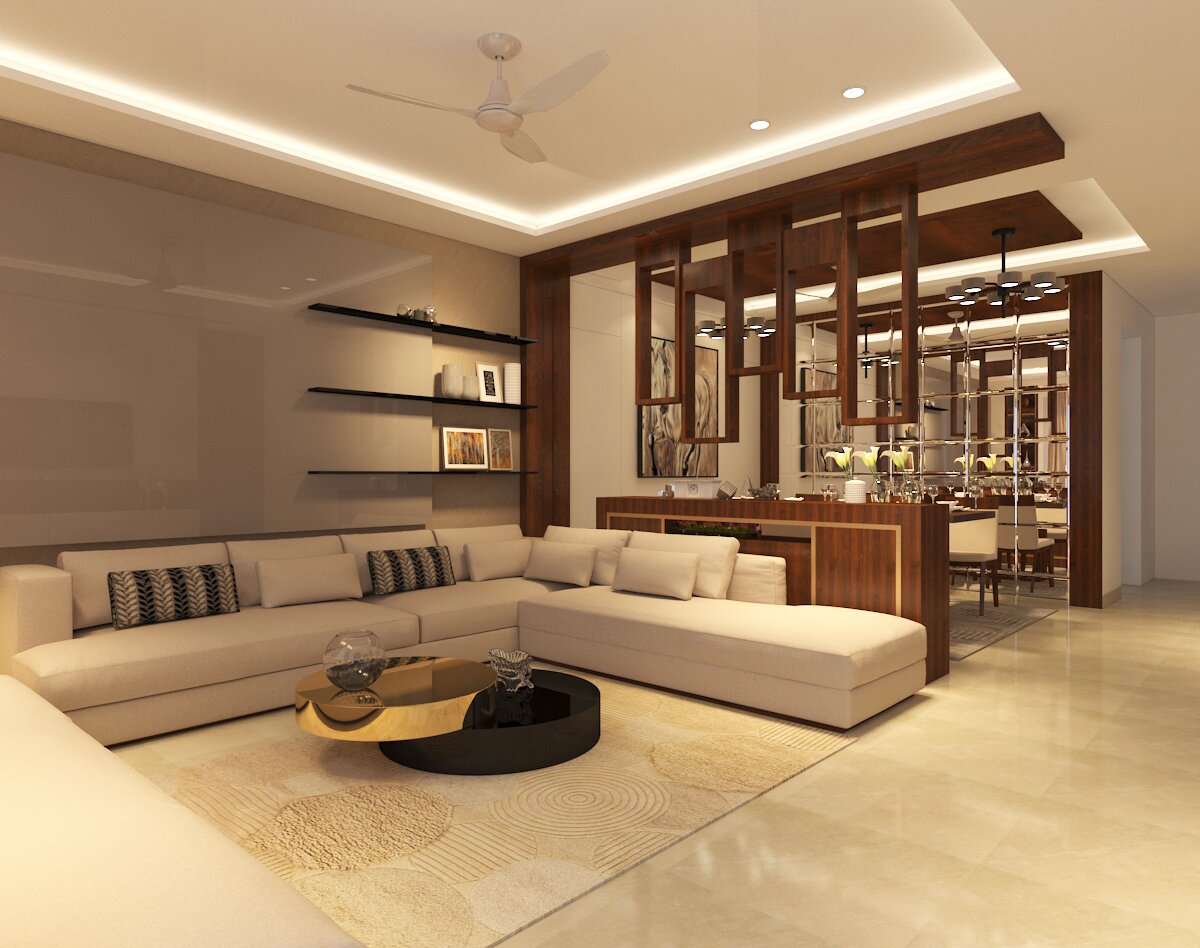
In aside from subjective tastes, cultural interpretations with hues can also influence design choices. While white might represent clarity and cleanliness in some cultures, it may bring about different meanings elsewhere. Designers must remain conscious of these diversities to design universally appealing interiors. By harnessing the potential of color theory, interior designers can change spaces into welcoming oases that not only look aesthetic but also support the well-being and improve the quality of living for those who occupy them.
Sustainable Home Decor
Sustainable space decor concentrates on creating environments that lessen environmental effects while promoting well-being and happiness. It involves the use of green materials, low-energy lighting, and environmentally-friendly furniture choices. Designers focus on organic, natural materials, such as reclaimed wood or bamboo, which not only contribute to a reduced carbon emission but also add warmth and comfort to spaces. Utilizing non-toxic finishes and surface treatments improves indoor air quality, guaranteeing that environments are safe for users.
Furthermore, green design often involves maximizing power effectiveness through smart arrangements and strategic use of natural light. This can involve incorporating large glazing, skylights, and open settings that allow daylight to brighten the area, reducing reliance on conventional illumination. In addition, integrating sustainable technologies, such as renewable energy panels or low-energy appliances, improves the eco-friendliness of a living space while providing sustainable benefits on electric bills.
Ultimately, eco-friendly interior decor advocates practices like recycling to give new life into used resources and decor. Instead of discarding pieces, designers look for creative ways to upcycle them, crafting unique feature pieces that tell a story and lessen waste. By embracing these guidelines, individuals can develop environments that not only reflect personal style but also support a greener planet.
Creating Cozy Spaces
Establishing a cozy environment begins with the right colors. Warm hues such as soft yellows, earthy grays, and earthy tones can evoke a sense of comfort and serenity. Blending these colors in various fabrics or paint finishes can enhance the inviting feeling in a space. It's essential to select tones that appeal personally, as individual preferences significantly influence how welcoming a environment feels.
In addition to shade, the choice of decor can significantly affect comfort. Selecting for soft sofas and chairs, paired with soft pillows and blankets, invites relaxation. Positioning furniture to facilitate conversation and interaction fosters a inviting atmosphere. Avoiding South Florida Interior Designer while incorporating individual touches, like family photos or cherished decor items, assists create a environment that feels lived-in and inviting.
Lastly, lighting plays a key role in establishing comfort. Utilizing different light sources, such as table lamps, floor lamps, and candles, enables for customizable ambiance. Soft, subtle lighting can make any space feel welcoming, while daylight light boosts the overall warmth. By thoughtfully combining hue, furniture, and lighting, any interior can change into a haven of comfort.